How Do I Advertise My Comics?
Introduction
How do I advertise my comics? Getting attention for your comics online can feel overwhelming at first. With so many creators competing for visibility, it’s easy to assume that success comes down to luck or going viral overnight. In reality, building attention is a deliberate process rooted in consistency, strategy, and understanding how people engage with content.
The internet has fundamentally changed how artists share their work. As one article explains, social media has become “a critical platform for artists to showcase their work and engage with a global audience.” That means comic creators today have access to audiences that previous generations could only dream of—but it also means you need to know how to stand out.
This guide will walk through the first steps: why social media matters, which platforms to prioritize, how to structure your posts, and how to begin building real attention for your comics.
Why Use Social Media
Social media is not optional anymore—it’s foundational. If you want attention for your comics, this is where your audience already lives.
The sheer scale of social media alone makes it essential. Billions of people use these platforms daily, and the average user spends hours interacting with content. For comic creators, that means opportunity. You’re no longer limited to local conventions or publishers—you can reach readers globally from your phone.
But the real power of social media isn’t just reach—it’s connection.
Artist Brian Hart explains this perfectly:
“I’m not sure social media platforms shape… my artistic identity as much as they allow my artistic identity to be communicated.” (https://mnartists.walkerart.org/art-is-social-art-is-media)
That’s the key mindset shift. Social media isn’t just a marketing tool—it’s a communication channel. It allows your work, your voice, and your personality to reach people directly.
At the same time, there’s a necessary caution. Some creators point out that social media can negatively impact artists if used poorly—especially when chasing trends or validation. It can push artists toward content that performs well rather than content that matters.
So the goal isn’t blind participation—it’s intentional use. Use social media to amplify your work, not define it.
What Are the Best Platforms
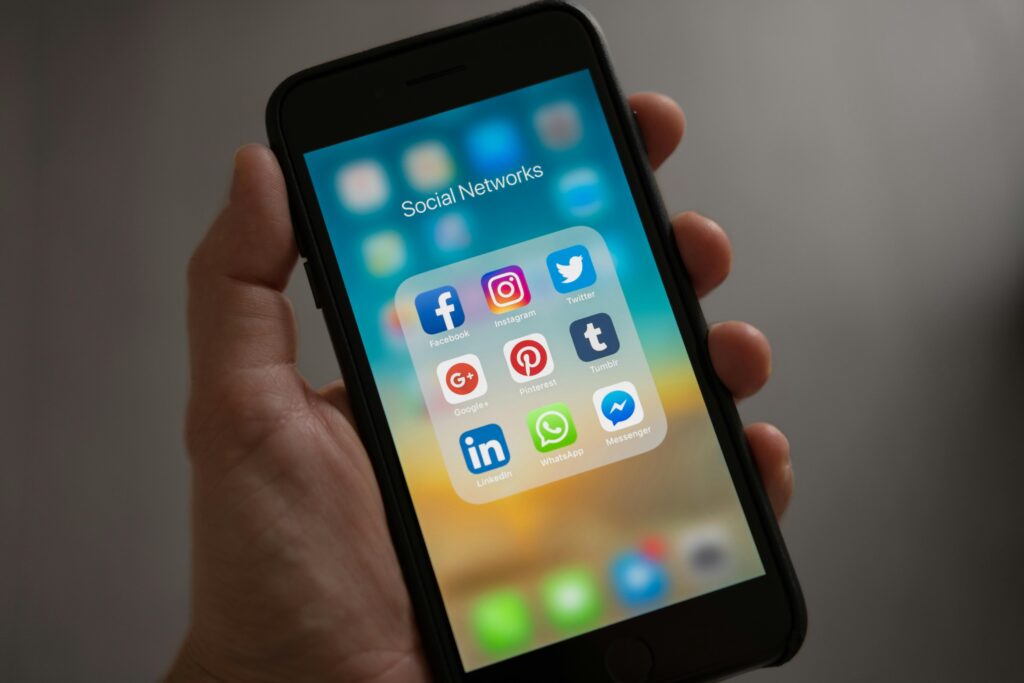
Not all social media platforms are equal—especially for comic creators. Choosing the right ones early can save you a lot of wasted effort.
Instagram remains one of the strongest platforms for visual storytelling. It’s built for images, short-form content, and discovery through hashtags. For comics, this is where page previews, panels, and character art thrive.
TikTok
TikTok is one of the fastest ways to gain attention right now. Short videos showing your process, sketch-to-finish transformations, or storytelling hooks can quickly attract new audiences. The algorithm favors discovery, meaning even new creators can get traction.
Twitter/X
While more text-driven, this platform is strong for networking and participating in art communities. Comic creators often use it to share updates, interact with fans, and join trending conversations.
Webtoon / Tapas
These are not traditional social media platforms, but they’re critical for comic creators. They provide built-in audiences specifically looking for comics, making them ideal for hosting full episodes.
YouTube
If you’re willing to invest more time, YouTube allows deeper storytelling—tutorials, behind-the-scenes content, or serialized comic narration.
The important takeaway: you don’t need to be everywhere. Start with one or two platforms and build consistency before expanding.
How Do I Construct a Post

I advertise my comics best by posting with social media posts that tie into the best elements of my work. Creating a post that gets attention isn’t about luck—it’s about structure. Every successful post typically includes three core elements: a hook, value, and engagement.
1. The Hook (First Impression)
The first thing people see determines whether they stop scrolling. This could be:
- A striking comic panel
- A bold caption
- A question or emotional hook
You have seconds—use them wisely.
2. The Value (Why It Matters)
Once you’ve grabbed attention, give people a reason to care. This could be:
- A funny or emotional moment
- A relatable character interaction
- A behind-the-scenes look at your process
Social media thrives on relatability and curiosity. Research shows that engagement often comes from “confusion and curiosity” that encourages users to interact.
That means your content should make people feel something or wonder what happens next.
3. The Engagement (Call to Action)
Finally, invite interaction. This could be:
- “What do you think happens next?”
- “Which character do you like more?”
- “Follow for the next part”
Engagement signals (likes, comments, shares) are what push your content further in algorithms.
Balancing Authenticity and Strategy
One of the biggest mistakes new comic creators make is trying to game the algorithm instead of building a connection.
Social media works best when it feels human. As one artist put it:
“I don’t want to grow a ‘fan base’. I want to connect and share.” (https://eastendarts.org/art-and-social-media/)
That perspective matters. Audiences today respond less to polished marketing and more to authenticity. Show your process. Share your struggles. Let people see the person behind the comic.
However, authenticity doesn’t mean randomness. You still need consistency:
- Post regularly (even if it’s 2–3 times per week)
- Maintain a recognizable style
- Deliver on expectations (if you start a story, continue it)
Think of it this way: authenticity builds trust, consistency builds attention.
Conclusion
In answer to the question how do I advertise my comics, getting attention online for your comics isn’t about shortcuts—it’s about building a system that works over time.
Start by understanding why social media matters: it’s your gateway to a global audience. Choose the platforms that align with your strengths instead of spreading yourself thin. Learn how to construct posts that hook attention, deliver value, and encourage engagement. And most importantly, balance strategy with authenticity so your work stays true to you.
Social media isn’t just a promotional tool—it’s part of the creative ecosystem. It allows your comics to live, grow, and connect with readers in ways that weren’t possible before.
If you approach it intentionally, the first step isn’t just getting attention—it’s building an audience that actually cares about your work.
For more ideas on how to appeal to your audience, you can check out the link here for learning finding your comic book niche or check out this blog post here to see how to keep your audience.