The comic book industry has grown dramatically over the past few decades. With the rise of independent publishing, webcomics, crowdfunding platforms, and digital distribution, more creators than ever before are producing comic content. While this creative boom is exciting, it also means that new creators face intense competition for attention. One of the most important strategies for standing out in this environment is Finding Your Comic Book Niche.
What’s a Niche in comic books?
A niche is the specific creative space your work occupies within the larger comic market. It represents the combination of genre, tone, audience, artistic style, and themes that make your work unique. When creators focus on Finding Your Comic Book Niche, they are identifying the qualities that separate their stories from the thousands of other comics available to readers.
Instead of trying to appeal to everyone, creators who develop a strong comic book niche focus on a defined audience that will appreciate their particular style of storytelling. This focus is especially important in Comic Book Writing, where voice, tone, and narrative approach play a major role in shaping how readers experience a story. For example, one creator might focus on comedic superhero adventures aimed at middle school readers, while another might specialize in dark fantasy comics for adult audiences. Both creators have different audiences, but each has a clearly defined Comicbook Niche. Understanding that niche also helps define a creator’s comic book unique marketing position, which is the way a comic is presented to readers in a way that emphasizes what makes it different.
When creators begin Finding Your Comic Book Niche, they are not just making creative decisions; they are laying the foundation for effective Comicbook Marketing. A well-defined niche allows creators to clearly communicate what their comic offers, who it is for, and why it stands out. In many ways, a niche acts as the identity of a comic. It gives readers something recognizable to connect with, and it gives creators a clear direction for their storytelling and promotional strategies.
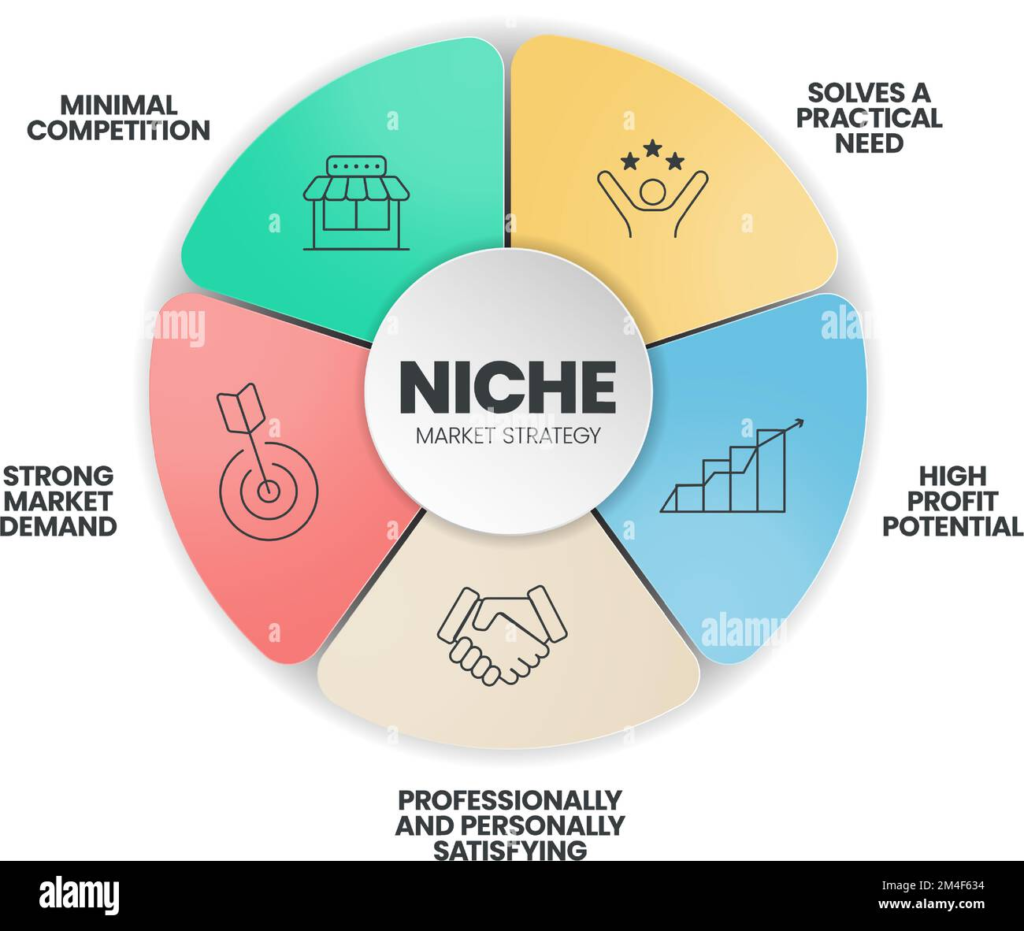
How to use your niche to reach an audience
Once a creator begins Finding Your Comic Book Niche, the next step is learning how to use that niche to reach the right audience. A strong comic book niche acts as a guide that points directly toward the readers who are most likely to enjoy your work. Instead of marketing broadly and hoping someone notices your comic, you can focus your outreach on the communities that already care about your genre, themes, and storytelling style. This is where Comicbook Marketing becomes significantly more effective.
When creators Find their comic niche, they gain valuable insight into the interests and habits of their potential readers. For instance, fans of horror comics often gather in specific online communities, attend particular conventions, and follow creators who specialize in darker storytelling. Similarly, readers who enjoy slice-of-life or educational comics may spend more time in different online spaces or follow creators who emphasize character-driven narratives. By understanding these audience patterns, creators can develop targeted Comic Marketing strategies that place their work directly in front of the people most likely to appreciate it. In practical terms, this might involve sharing artwork on social media platforms where your target audience is active, participating in discussions within genre-specific communities, or collaborating with other creators who work within similar niches.
The process of Finding Your Comic Book Niche also helps shape how you present your comic to potential readers. When someone asks what your comic is about, you should be able to explain it in a way that clearly communicates its appeal. This description often reflects your comic book unique marketing position, highlighting the qualities that make your work different. For example, a creator might describe their comic as “a fast-paced sci-fi adventure comic with comedic elements aimed at teenage readers who love action and humor.” That statement tells readers exactly what kind of experience they can expect. In Comic Book Writing, this clarity is incredibly valuable because it helps ensure that your storytelling consistently aligns with the expectations of your audience.
When readers discover your work through targeted Comicbook Marketing, they are more likely to stay engaged because the comic delivers the type of story they were hoping to find. Ultimately, Finding Your Comic Book Niche turns audience discovery into a strategic process rather than a random one, helping creators connect with readers who genuinely appreciate their work.

Find how to keep your niche
After creators successfully begin Finding Your Comic Book Niche, the next challenge is maintaining that niche while continuing to grow creatively. A Comicbook Niche is not meant to restrict your imagination, but it does serve as a recognizable identity that readers come to expect. Maintaining your niche means consistently delivering the qualities that attracted your audience in the first place while gradually expanding your storytelling skills. In Comic Book Writing, this balance can be incredibly important. Readers often return to creators because they know what type of storytelling experience they will receive.
If a creator suddenly abandons the elements that defined their comic book niche, they risk confusing or losing their existing audience. For example, if a creator becomes known for lighthearted adventure comics with strong comedic elements, their readers will likely expect humor and playful storytelling in future projects. Maintaining the niche means preserving that tone while exploring new plots, characters, or settings. The process of Finding Your Comic Book Niche often reveals the themes and creative approaches that resonate most strongly with your audience. These might include specific genres, storytelling structures, character archetypes, or visual styles. By continuing to build on those elements, creators strengthen their comic book unique marketing position and reinforce their identity within the comic industry.
Maintaining a niche also helps creators build long-term relationships with their readers. When audiences know what to expect from a creator’s work, they are more likely to follow future projects, support crowdfunding campaigns, and recommend the comic to others. This loyalty becomes an important part of Comicbook Marketing, because satisfied readers often become the most effective promoters of your work. Word-of-mouth recommendations can introduce your comic to entirely new audiences who share similar interests. Maintaining your Comicbook Niche also encourages creators to refine their craft.
As you continue producing stories within a particular niche, you gain deeper insight into what works well for your audience. You begin to understand pacing, character development, and thematic elements that resonate with readers. Over time, this experience improves both your storytelling ability and your Comic Marketing effectiveness. Rather than constantly searching for a new direction, you are strengthening a creative identity that readers already recognize. In many ways, maintaining your niche allows your creative brand to mature and grow. It demonstrates consistency, reliability, and expertise within a specific type of storytelling. For creators who want to build a lasting presence in the industry, maintaining the results of Finding Your Comic Book Niche is just as important as discovering it in the first place.

Make marketing choices to show it
The final stage of Finding Your Comic Book Niche involves making intentional marketing choices that take full advantage of that niche. Marketing in the comic industry is not simply about promoting a product; it is about communicating a story’s identity in a way that attracts the right audience. When creators clearly understand their Comicbook Niche, they can design marketing strategies that highlight the unique aspects of their work. This is where your comic book unique marketing position becomes extremely valuable.
Your marketing should consistently reinforce the qualities that define your niche, helping readers quickly understand why your comic stands out. For example, if your comic book niche involves fantasy adventure stories designed for younger audiences, your promotional materials should emphasize colorful artwork, imaginative settings, and engaging characters. If your niche focuses on darker themes or mature storytelling, your marketing might highlight dramatic artwork, intense narratives, or complex characters.
Effective Comicbook Marketing involves presenting your comic in a way that immediately signals its niche to potential readers. Every marketing element—from your cover design to your website description—should communicate the identity established during Finding Your Comic Book Niche. In Comic Marketing, choosing the right platforms is just as important as the message itself. Creators should focus their efforts on the places where their audience is already active. This might include social media platforms, comic conventions, online marketplaces, or newsletters that cater to specific genres. For example, a creator producing science-fiction comics may benefit from engaging with science-fiction fan communities or participating in events focused on speculative storytelling. These targeted efforts allow your Comicbook Marketing to reach readers who are already interested in the themes and genres that define your niche.
Marketing decisions can also influence certain aspects of Comic Book Writing. Cover art, character introductions, and promotional previews often serve as the first impression readers receive. By emphasizing the elements that define your niche, these materials help reinforce your comic book unique marketing position and attract the right audience. When creators truly Find your comic niche, marketing becomes more efficient and more effective.
Instead of competing against every comic in the marketplace, you are positioning your work within a clearly defined space where readers are actively searching for stories like yours. Over time, this focused approach helps creators build recognition within their niche community. Readers begin to associate your name with a particular type of storytelling, which strengthens your reputation and increases the likelihood that new projects will attract attention.
In the long run, Finding Your Comic Book Niche is not just about identifying a creative direction—it is about building a sustainable strategy that connects storytelling, audience engagement, and Comic Marketing into a cohesive plan for success.

Conclusion
Discovering what makes your works unique defines most of the efforts you take moving forward and in many ways helps you to define your path as a writer. In many ways, a story comes to you and it is your responsibility as a creator to give it the best shot at life that it can have. Learning to find your niche and who the story is for is essential when it comes to making something amazing and getting the message to the right people. If you apply these principles, you will find the path that you need to take as a writer and creator for both your audience and yourself. These aren’t just principles to apply in writing only but in your life as well.
My recommendation to you is to try and apply these principles and reach out to us to see what we can do to help you expand your reach as creators. Your stories do have a place and a purpose and I can’t wait to hear what you’ve found to help give your stories a place to call home.
In the Contact page, please reach out to share some of your experiences and we may include some of these anonymously (or named depending on your preference) to help others in their own situations. Talking as a community means having everybody elevate each other and support each other on their journeys, so your experiences matter to us and to everybody here.
When it comes to topics like marketing, there’s very little that remains as hard rules. What you view as your niche can be different from what the readers see as the niche, so continuing to listen to your audience is as essential moving forward as it was getting them in the first place. To make sure you’ve got the right advice, there’s a handful of other blog posts put out on our website that discuss related topics that might be useful when finding your audience, appealing to your audience and keeping your audience. Here are the links to these below.